


What is an Industrial Automatic Basket Strainer?
An Industrial Automatic Basket Strainer is a Automatic self-cleaning filter device used to remove solid particles, debris, and contaminants from liquid systems in industrial applications. It features a basket-shaped filter element housed within a durable casing, and its automatic cleaning mechanism ensures continuous filtration without manual intervention or system shutdowns. This type of strainer is commonly used in industries such as water treatment, oil and gas, chemical processing, food and beverage, and power generation where maintaining clean liquid flow is crucial to protect equipment and improve system efficiency.
Unlike traditional manual basket strainers, the automatic version incorporates a self-cleaning mechanism—usually through methods such as backwashing, brushes, or scrapers—that removes trapped particles from the basket without stopping the operation, making it suitable for applications requiring uninterrupted flow.
Key Features of an Industrial Automatic Self-Cleaning Filter Strainer
-Automatic Self-Cleaning Mechanism:
The primary feature is its self-cleaning system, which uses a combination of brushes, scrapers, or backwashing mechanisms to remove debris from the filter element automatically.
The self-cleaning process is typically triggered by a pressure differential between the inlet and outlet, indicating that the filter is becoming clogged.
-Filtration Element:
The filter element inside the strainer is made of perforated metal or mesh designed to trap solid particles while allowing clean liquid to pass through.
The mesh size can vary depending on the application, providing either coarse or fine filtration.
-Housing (Body):
The housing is made from durable materials such as stainless steel, carbon steel, or cast iron, allowing it to withstand harsh industrial environments, high pressures, and corrosive fluids.
-Control System:
Many automatic self-cleaning strainers are equipped with a control system that monitors pressure differential and initiates the cleaning cycle when necessary. Some advanced systems also include timers or programmable logic controllers (PLCs) to automate the cleaning schedule.
-Inlet and Outlet Ports:
The liquid flows into the strainer through the inlet port, passes through the filter element where contaminants are captured, and exits the strainer through the outlet port as clean fluid.
-Drain System:
During the self-cleaning process, the collected debris is flushed out through a drain valve or blowdown system, ensuring that the filter is clear and ready for continued operation.


How an Industrial Automatic Self-Cleaning Filter Strainer Works
-
Fluid Flow and Filtration:
- The liquid enters the strainer through the inlet and flows through the filter element. Solid particles and debris are trapped on the surface of the filter while the clean liquid exits through the outlet.
-
Detection of Clogging:
- As the filter element traps debris, the pressure differential between the inlet and outlet ports increases. This pressure differential is monitored by the control system.
- When the pressure difference reaches a predefined threshold, it signals that the filter is becoming clogged and needs to be cleaned.
-
Self-Cleaning Process:
- Once the control system detects clogging, the self-cleaning mechanism is activated. Depending on the design, the system may use one of the following cleaning methods:
- Brushes or Scrapers: Rotating brushes or scrapers sweep the debris off the filter element and direct it towards the drain.
- Backwashing: In a backwashing system, a reverse flow of liquid is used to dislodge the trapped particles and flush them out through the drain.
- Suction Scanning: Suction nozzles move across the filter surface, creating localized backwashing that removes debris without interrupting the flow.
- Once the control system detects clogging, the self-cleaning mechanism is activated. Depending on the design, the system may use one of the following cleaning methods:
-
Debris Removal:
- The collected debris is flushed out through the drain valve or into a waste collection system. Once the debris is cleared, the filter returns to normal operation without any need for manual intervention.
Types of Automatic Self-Cleaning Filter Strainers
-
Brush and Scraper Type:
- Uses mechanical brushes or scrapers to remove debris from the filter element.
- Ideal for applications with larger particles or fibrous materials that tend to stick to the filter surface.
-
Backwashing Type:
- Uses a reverse flow of clean liquid to push debris off the filter element and flush it out through the drain.
- Suitable for applications where fine particles need to be removed and where continuous operation is essential.
-
Suction Scanning Type:
- Utilizes suction nozzles that move across the filter surface, creating localized backwash without stopping the flow of liquid.
- Commonly used in high-flow systems where minimizing downtime is critical.

Applications of an Industrial Automatic Self-Cleaning Filter Strainer
Automatic self-cleaning filter strainers are essential in various industries where maintaining clean fluid flow is critical for system efficiency and equipment protection. Common applications include:
-
Water Treatment:
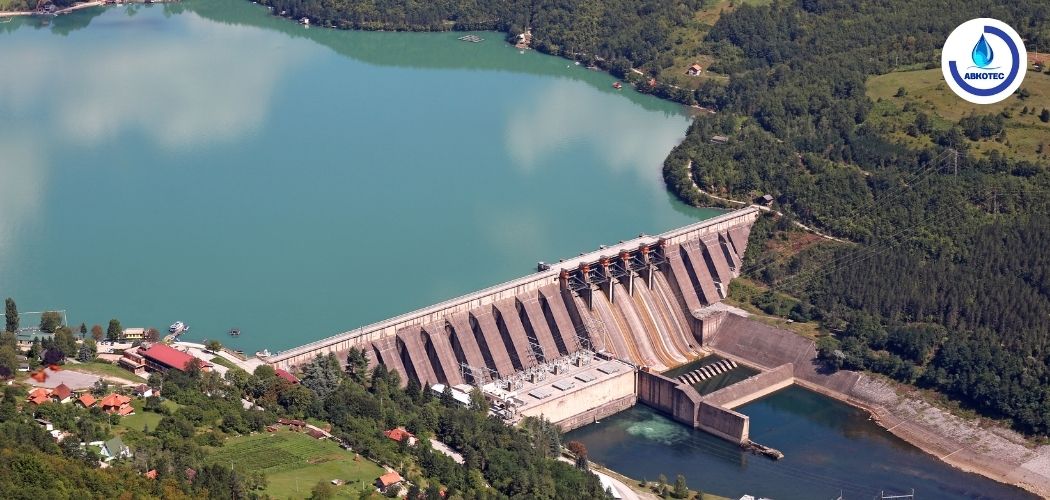
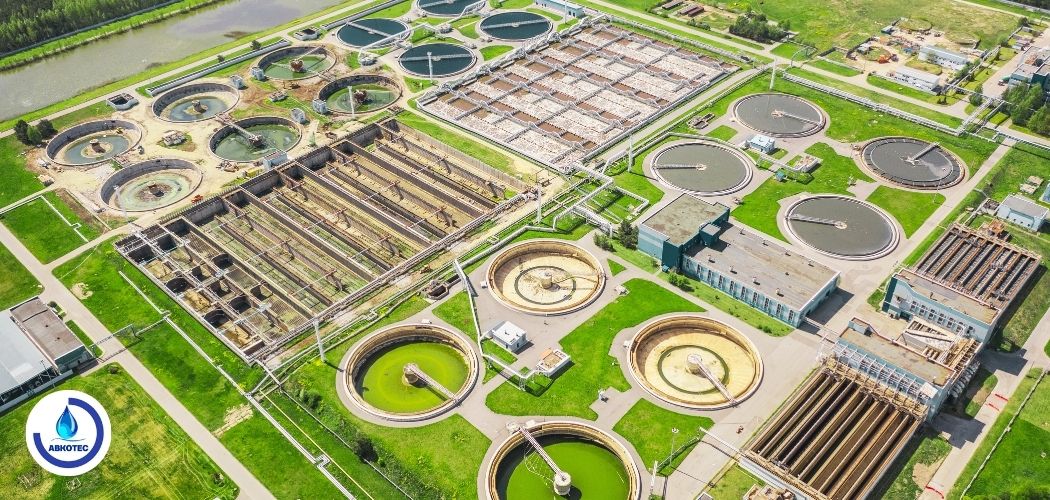
- Used to filter debris, sediment, and particles from water in municipal and industrial water treatment plants, ensuring clean water for various processes.
-
Oil and Gas Industry:
- Filters contaminants from oil, gas, and petrochemical flows, protecting pipelines, pumps, and other sensitive equipment from damage and corrosion.
-
Chemical Processing:
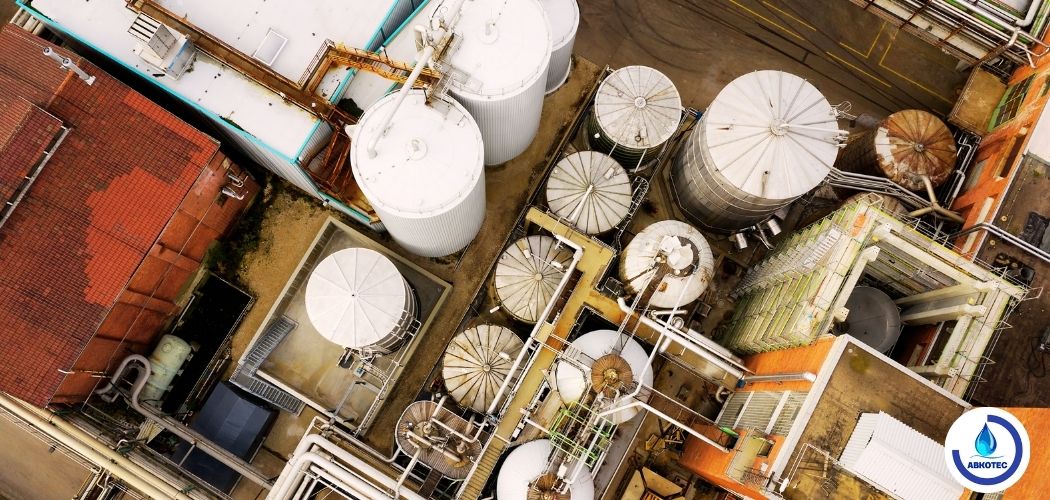
- Ensures that chemicals and solvents remain free from particulates that could affect the quality of the final product or cause damage to machinery.
-
Food and Beverage Industry:
- Filters liquids such as water, oils, juices, and sauces to remove solid contaminants, ensuring product quality and protecting processing equipment.
-
Power Generation:
- Used to filter cooling water and other fluids in power plants, protecting equipment like heat exchangers and turbines from fouling and scaling.
-
HVAC and Cooling Towers:
- Removes debris from water in cooling tower systems, preventing clogs and ensuring efficient heat transfer in HVAC and industrial cooling applications.
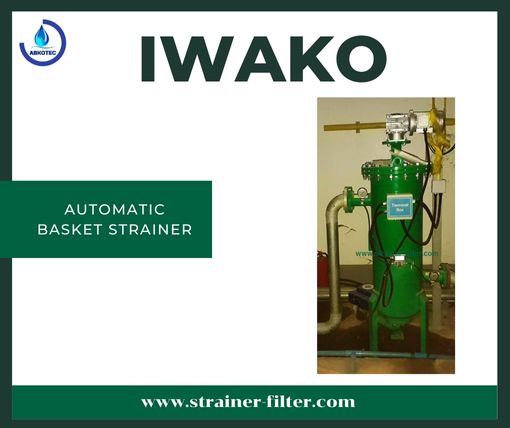
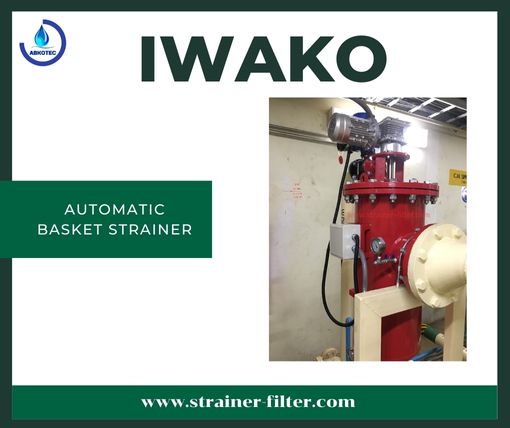
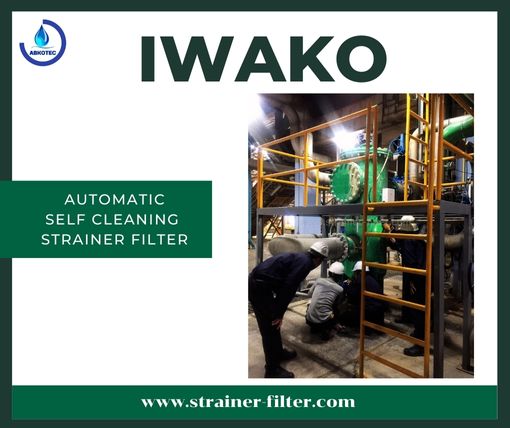
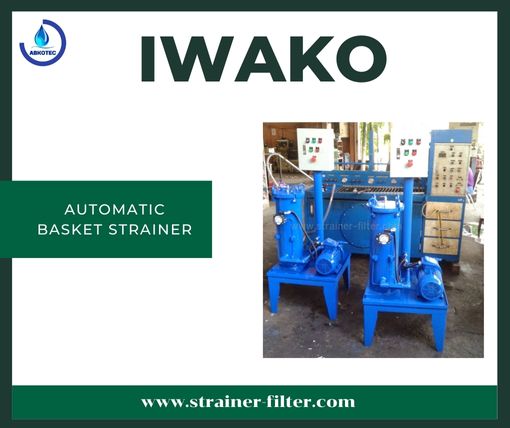
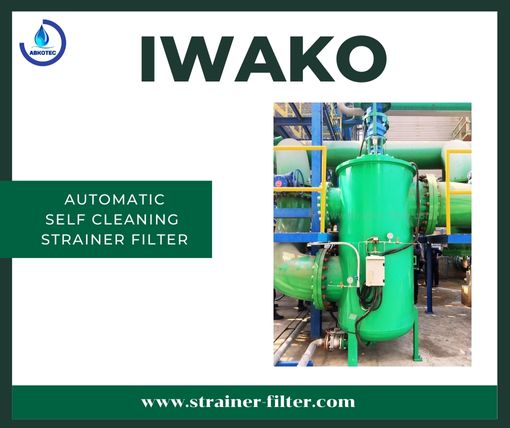
Reference work for installation of Automatic Self-Cleaning Filter Strainer
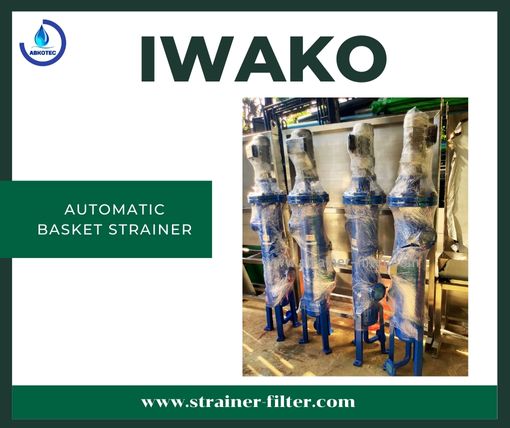
Advantages of Using an Industrial Automatic Self-Cleaning Filter Strainer
-
Continuous Operation:
- The automatic self-cleaning feature allows the filter to maintain continuous operation, eliminating the need for system shutdowns during cleaning.
-
Reduced Maintenance Costs:
- With no manual intervention required for cleaning, labor costs are significantly reduced. The automatic cleaning process also reduces the frequency of maintenance.
-
Increased System Efficiency:
- The self-cleaning mechanism ensures that the filter element remains free from debris, improving system flow rates and maintaining efficient filtration.
-
Protection of Equipment:
- By removing debris and contaminants from the liquid flow, the filter protects downstream equipment such as pumps, valves, and heat exchangers from damage, reducing downtime and repair costs.
-
Environmental Benefits:
- Automatic self-cleaning filters help reduce water wastage by using minimal water during the cleaning process, making them environmentally friendly in applications like water treatment and cooling systems.
Product strainer filter brand “IWAKO”
-Automatic Basket Strainer
-Automatic Self-Cleaning Strainer
-Automatic Self-Cleaning Water Filters
-Automatic Backwash Drain Filter
-Automatic Backwashing Strainer
-Automatic Backflush Strainer
-Automatic Water Strainer
-Automatic Flushing
Maximize your system’s performance with our Automatic Self-Cleaning Filter Strainers “IWAKO”! Designed to handle high flow rates and minimize maintenance, our filters provide reliable, continuous filtration. Reach out now to discover how we can help streamline your operations!
Tel. . 082 – 547 9989 , 061-5906036